Your skin changes throughout your cycle for a reason. Hormone shifts can affect oil production, hydration, sensitivity, inflammation, and breakouts from one phase to the next. Understanding those patterns can help you support your skin with more awareness and less frustration.

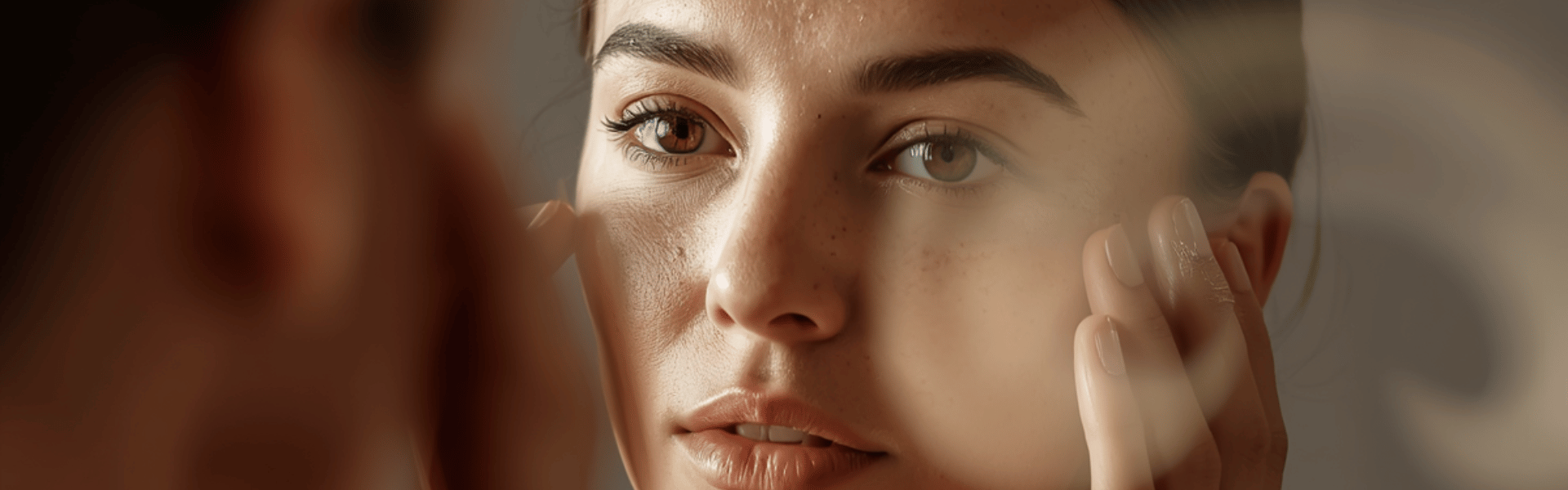
How Your Menstrual Cycle Affects Your Skin
Some weeks your skin feels clearer, smoother, and more balanced. Other weeks it suddenly becomes oily, sensitive, dry, or breakout-prone — even when your routine hasn’t changed.
A lot of these shifts are connected to hormone changes throughout your menstrual cycle.
Your skin responds to what is happening inside your body. As hormones rise and fall throughout the month, changes in oil production, inflammation, hydration, and sensitivity can show up on your skin too. Once you begin noticing those patterns, many “random” skin changes start making much more sense.
Instead of constantly fighting your skin, cycle awareness can help you support it more intentionally.
Your Hormones & Skin Are Connected
Throughout your cycle, estrogen and progesterone naturally shift. These hormones influence much more than your reproductive system. They can also affect your mood, energy, sleep, appetite — and your skin.
This is why your skin may feel completely different from one week to the next.
Some phases may bring more balance and glow, while others can increase oiliness, breakouts, or sensitivity. None of this means your skin is failing. Your body is simply moving through different hormonal states.
The goal is not perfect skin every day. It’s learning how to work with your body instead of feeling confused by it every month.
Menstrual Phase: Sensitive & Restoring
During your period, hormone levels are lower. For many people, this can leave skin feeling more dry, tired, or reactive.
You may notice your skin barrier feels more sensitive than usual, especially if you’re already stressed, low on sleep, or dealing with inflammation. Some people experience redness or dullness during this phase, while others simply feel like their skin lacks energy.
Your body is already focused on recovery and repair during this time, and your skin often benefits from the same approach.
This phase usually responds best to gentler support. More hydration, less irritation, and simpler routines often feel better than harsh treatments or over-correcting every small change.
Follicular Phase: Fresh Energy & Balanced Skin
After your period, estrogen begins rising again. This phase often brings a noticeable shift in energy, mood, and skin.
Many people notice their complexion looks brighter and more balanced here. Skin may feel smoother, more hydrated, and less reactive. You might also find your products sit better on your skin during this phase.
There is often a sense of momentum during the follicular phase. Your body is rebuilding energy, and that can show up externally too.
This tends to be a good time for consistency. Your skin may tolerate active ingredients better, and routines often feel easier to maintain when energy is naturally higher.
Ovulation Phase: The “Glow” Phase
Around ovulation, estrogen reaches one of its highest points. This is the phase many people associate with brighter, more radiant skin.
You may notice your skin looking healthier without changing much in your routine. Circulation can improve, hydration may feel more balanced, and skin often appears naturally more vibrant.
For some people, oil production increases slightly during this phase as well, but it usually feels different from the heavier congestion that can happen later in the cycle.
Ovulation is often connected to higher overall energy too. Better movement, sleep, confidence, and recovery can all indirectly support skin health during this time.
Luteal Phase: Breakouts, Oiliness & Sensitivity
The luteal phase is where hormonal skin changes tend to become more noticeable.
After ovulation, progesterone rises, and many people begin experiencing more oil production, congestion, puffiness, or hormonal acne. Stress and sleep changes during this phase can also make inflammation feel stronger.
This is often the phase where skin suddenly feels “off.” Products that worked perfectly two weeks ago may suddenly feel irritating, and breakouts can appear quickly around the jawline, chin, or cheeks.
A lot of people respond by becoming more aggressive with their skincare. But this phase usually needs more support, not more punishment.
Simplifying your routine, focusing on hydration, supporting sleep, and reducing overall stress on the body can often help more than constantly switching products.
Why Tracking Your Skin Patterns Matters
Skin is rarely random.
If the same breakouts keep showing up at the same time every month, there is often a deeper pattern underneath them. Tracking your cycle alongside your skin can help you recognize those shifts earlier and respond with more awareness.
Over time, you may start noticing things like:
when your skin becomes more sensitive
when oil production increases
which phase brings more inflammation
how stress changes your breakouts
how sleep affects your skin recovery
That awareness changes the relationship you have with your body.
Instead of constantly asking, “What’s wrong with my skin?” you begin understanding what your body may be responding to in that moment.
Final Thoughts
Your skin isn’t working against you.
The breakouts before your period, the glow around ovulation, the sensitivity during stressful weeks — your body is constantly responding to internal shifts happening throughout your cycle.
The more you understand those patterns, the easier it becomes to support your skin with less guessing and less frustration.
You don’t need to control every change. You just need enough awareness to start working with your body instead of constantly pushing against it.
Sometimes clearer skin starts with understanding your rhythms a little better.
Some weeks your skin feels clearer, smoother, and more balanced. Other weeks it suddenly becomes oily, sensitive, dry, or breakout-prone — even when your routine hasn’t changed.
A lot of these shifts are connected to hormone changes throughout your menstrual cycle.
Your skin responds to what is happening inside your body. As hormones rise and fall throughout the month, changes in oil production, inflammation, hydration, and sensitivity can show up on your skin too. Once you begin noticing those patterns, many “random” skin changes start making much more sense.
Instead of constantly fighting your skin, cycle awareness can help you support it more intentionally.
Your Hormones & Skin Are Connected
Throughout your cycle, estrogen and progesterone naturally shift. These hormones influence much more than your reproductive system. They can also affect your mood, energy, sleep, appetite — and your skin.
This is why your skin may feel completely different from one week to the next.
Some phases may bring more balance and glow, while others can increase oiliness, breakouts, or sensitivity. None of this means your skin is failing. Your body is simply moving through different hormonal states.
The goal is not perfect skin every day. It’s learning how to work with your body instead of feeling confused by it every month.
Menstrual Phase: Sensitive & Restoring
During your period, hormone levels are lower. For many people, this can leave skin feeling more dry, tired, or reactive.
You may notice your skin barrier feels more sensitive than usual, especially if you’re already stressed, low on sleep, or dealing with inflammation. Some people experience redness or dullness during this phase, while others simply feel like their skin lacks energy.
Your body is already focused on recovery and repair during this time, and your skin often benefits from the same approach.
This phase usually responds best to gentler support. More hydration, less irritation, and simpler routines often feel better than harsh treatments or over-correcting every small change.
Follicular Phase: Fresh Energy & Balanced Skin
After your period, estrogen begins rising again. This phase often brings a noticeable shift in energy, mood, and skin.
Many people notice their complexion looks brighter and more balanced here. Skin may feel smoother, more hydrated, and less reactive. You might also find your products sit better on your skin during this phase.
There is often a sense of momentum during the follicular phase. Your body is rebuilding energy, and that can show up externally too.
This tends to be a good time for consistency. Your skin may tolerate active ingredients better, and routines often feel easier to maintain when energy is naturally higher.
Ovulation Phase: The “Glow” Phase
Around ovulation, estrogen reaches one of its highest points. This is the phase many people associate with brighter, more radiant skin.
You may notice your skin looking healthier without changing much in your routine. Circulation can improve, hydration may feel more balanced, and skin often appears naturally more vibrant.
For some people, oil production increases slightly during this phase as well, but it usually feels different from the heavier congestion that can happen later in the cycle.
Ovulation is often connected to higher overall energy too. Better movement, sleep, confidence, and recovery can all indirectly support skin health during this time.
Luteal Phase: Breakouts, Oiliness & Sensitivity
The luteal phase is where hormonal skin changes tend to become more noticeable.
After ovulation, progesterone rises, and many people begin experiencing more oil production, congestion, puffiness, or hormonal acne. Stress and sleep changes during this phase can also make inflammation feel stronger.
This is often the phase where skin suddenly feels “off.” Products that worked perfectly two weeks ago may suddenly feel irritating, and breakouts can appear quickly around the jawline, chin, or cheeks.
A lot of people respond by becoming more aggressive with their skincare. But this phase usually needs more support, not more punishment.
Simplifying your routine, focusing on hydration, supporting sleep, and reducing overall stress on the body can often help more than constantly switching products.
Why Tracking Your Skin Patterns Matters
Skin is rarely random.
If the same breakouts keep showing up at the same time every month, there is often a deeper pattern underneath them. Tracking your cycle alongside your skin can help you recognize those shifts earlier and respond with more awareness.
Over time, you may start noticing things like:
when your skin becomes more sensitive
when oil production increases
which phase brings more inflammation
how stress changes your breakouts
how sleep affects your skin recovery
That awareness changes the relationship you have with your body.
Instead of constantly asking, “What’s wrong with my skin?” you begin understanding what your body may be responding to in that moment.
Final Thoughts
Your skin isn’t working against you.
The breakouts before your period, the glow around ovulation, the sensitivity during stressful weeks — your body is constantly responding to internal shifts happening throughout your cycle.
The more you understand those patterns, the easier it becomes to support your skin with less guessing and less frustration.
You don’t need to control every change. You just need enough awareness to start working with your body instead of constantly pushing against it.
Sometimes clearer skin starts with understanding your rhythms a little better.
Sign up to receive Luani emails at the new moon and full moon. Each one is timed with the current phase and gives you clear direction for the days ahead — how your energy may shift, what to focus on, and where to adjust your habits, movement, and pace. You’ll get simple guidance you can actually use: what to lean into, what to scale back, and where to place your focus. No daily emails, no overwhelm — just two aligned check-ins each month, when it actually matters.