This guide helps you understand why period fatigue happens—and what actually supports your energy during this phase. Clear, practical, and grounded in how your body works.


There’s a different kind of tired
There’s a specific kind of tired that shows up during your period. It’s not the usual “I didn’t sleep enough” feeling — it’s heavier, slower, and sits deeper in your body. It can feel like your energy has been turned down, like everything takes more effort than usual, and like no amount of coffee really shifts it. If you’ve ever wondered why this happens, it’s not something you’re imagining. It’s your body moving through a real physiological shift, and the fatigue you feel is part of that process, not a personal failure or lack of discipline.
What’s actually causing it
This kind of tiredness isn’t random. In the days leading up to your period, both estrogen and progesterone drop. Estrogen supports energy, focus, and emotional steadiness, so when it decreases, your system naturally slows down. That foggy, low-energy feeling is often your body recalibrating, not something you need to push through. At the same time, your body is beginning the work of menstruation, which adds another layer of physical demand.
Blood loss and energy levels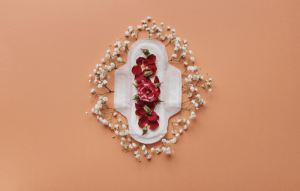
During your period, your body is actively shedding the uterine lining, and with that comes a loss of iron. Iron helps carry oxygen through your bloodstream, so when levels dip, it can leave you feeling more tired, weaker, or less clear mentally. This can feel more noticeable if your periods are heavier, but even lighter cycles can create a subtle sense of depletion over a few days.
Your body is doing more than it looks like
Your uterus is contracting, your hormones are shifting, and your nervous system is adjusting. Energy is being directed inward toward repair and release. Fatigue during this time isn’t something to ignore — it’s a signal that your body is asking for a different pace and kind of support.
Supporting your energy in a real way
Instead of pushing against it, small adjustments can make a noticeable difference, especially with how you eat:
• iron-rich foods like spinach, lentils, and lean meats to help replenish what your body is losing
• healthy fats like avocado, nuts, and seeds to support hormone balance
• complex carbohydrates like oats, brown rice, and quinoa for more steady energy instead of crashes
Hydration also matters more than it seems:
• drink water consistently throughout the day
• add herbal tea if that helps you drink more comfortably
Move in a way that supports you
You don’t need intense workouts to feel better during your period. In fact, pushing too hard can sometimes make fatigue worse. Gentle movement tends to work better:
• walking
• stretching
• gentle yoga
Adjust the way you approach the week
One of the biggest shifts comes from adjusting expectations. Treating your period like every other week creates unnecessary pressure. A more supportive approach can look like:
• scheduling lighter tasks when possible
• allowing more rest
• not expecting peak productivity every day
This isn’t something to fight
Period fatigue isn’t something to eliminate completely. It’s a reflection of what your body is moving through. When you respond to it instead of resisting it, the experience often feels more manageable and less overwhelming.
When period fatigue needs more attention
Some tiredness is common. But it should not feel extreme or impossible to manage. If your energy feels unusually low, it can be a sign your body needs more support — whether that’s rest, nourishment, or a slower pace. Small adjustments like going to bed earlier, eating regularly, or reducing pressure on your schedule can make a noticeable difference. If it keeps happening or feels out of proportion, it’s worth paying attention and checking in more closely with your body.
Pay attention if you notice:
- extreme exhaustion
- dizziness or weakness
- very heavy bleeding
- fatigue that lasts beyond your period
Those signs may be worth discussing with a healthcare provider.
Conclusion
Period fatigue is your body shifting inward, asking for less output and more support. When you meet it there, instead of pushing against it, things tend to feel steadier, clearer, and more manageable. You don’t need to fix this phase or force yourself back to “normal.” You just need to work with what your body is already doing.
A slower pace here isn’t falling behind. It’s part of the rhythm that allows you to rebuild, reset, and return with more energy in the phases that follow.
Sign up to receive Luani emails at the new moon and full moon. Each one is timed with the current phase and gives you clear direction for the days ahead — how your energy may shift, what to focus on, and where to adjust your habits, movement, and pace. You’ll get simple guidance you can actually use: what to lean into, what to scale back, and where to place your focus. No daily emails, no overwhelm — just two aligned check-ins each month, when it actually matters.